
Know Thyself

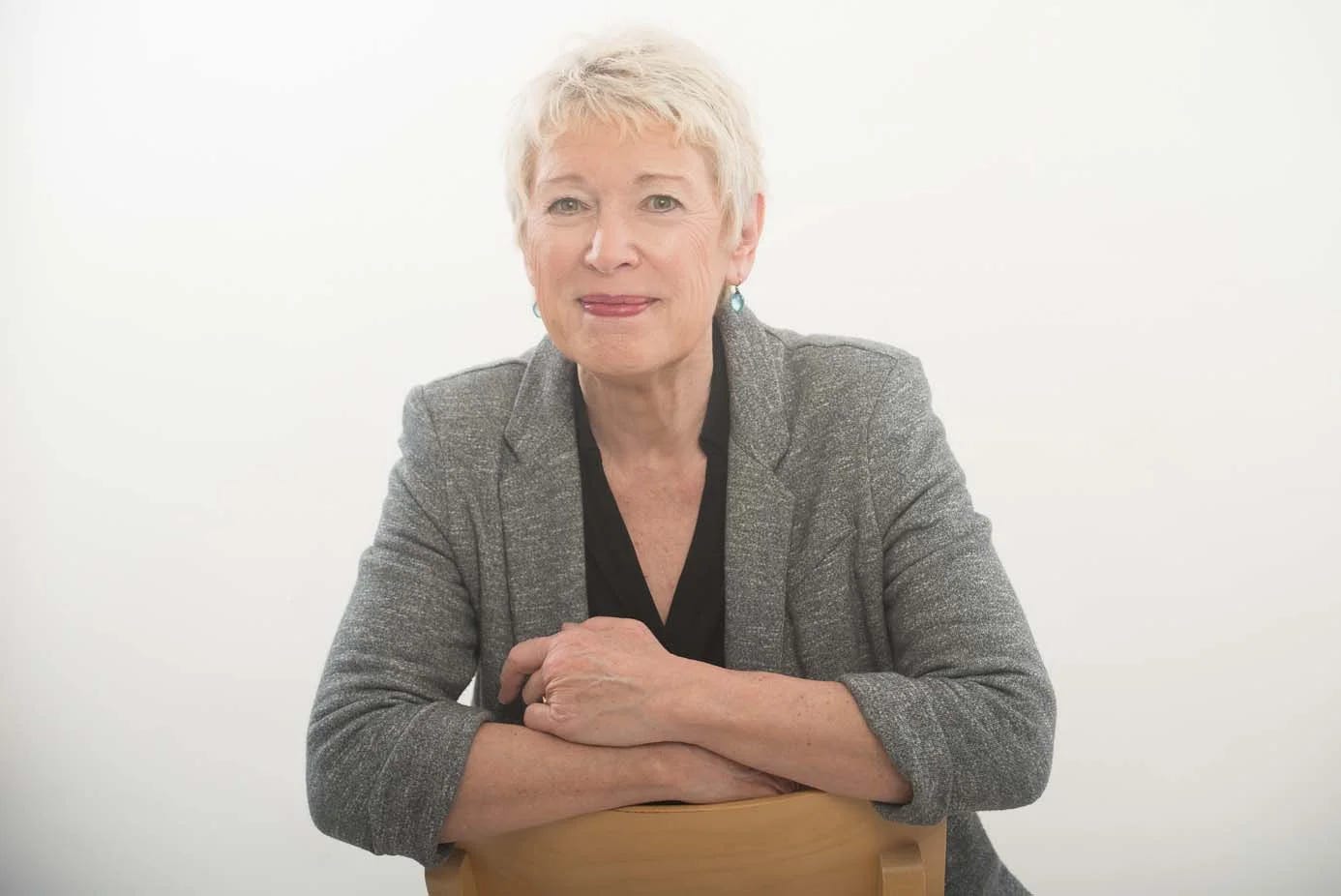
Welcome Friend.
Our lives are shaped by conflict—within ourselves, in our families, and across our societies. Our natural response to conflict is fight-flight or simply defending ourselves through our words or actions. Creating enemies and vanquishing them is also natural and our species has been in wars since it has existed on the planet. While peace is desired by all of us, the path to it is not easy. The only path to peace is healthy conflict because avoidance of conflict is a form of oppressing or silencing the other voice. Human capacity includes the ability to learn how to use dialogue — paying attention to both sides — instead of dehumanization of the other side.
I write here as the Founder and Executive Director of the Center for Real Dialogue. I also write here as a Jungian analyst, mindfulness teacher, clinical psychologist, and the author or editor of 19 books that have been translated into more than sixteen languages.
For more than thirty years now, I have worked with clinicians, couples, leaders, and individuals who are trying to understand the mysteries of transforming human conflict into wisdom and insight about the truth of who we are and how we can trust each other.
This publication explores that path of transformation.
The work here is guided by four principles that form the foundation of Real Dialogue:
1. Know Thyself
Understand your own subjectivity, emotions, and limitations before trying to change anything — yourself or others.
2. Commit to Responsible Speaking and Listening
Speak for yourself. Listen with clarity and attention. Keep your mind open to curiosity.
3. Resist Dehumanization
When we treat others as objects, animals or gods, we lose track of what it means to be human.
4. Learn from Defeat and Failure
Human beings grow not by winning arguments but by learning from mistakes and misunderstandings. We also learn from our own morality: we know we will die and that teaches us about our impermanence and humility.
Science offers one path to truth through disciplined debate and revision. Real Dialogue offers another: a way of engaging differences through being able to perceive the rightness and humanity of both sides; we get closer to the truth if we recognize our limitations and learn from our differences.
If we truly want to welcome disagreement and differences, we need something like an owner’s manual for being human—a way to recognize our emotional blind spots and our deep need for each other on all levels.
That is the spirit of this Substack.
Choose what interests you most
Readers here come from many different walks of life. You may find yourself in one—or several—of these communities. To offer a more relevant experience, I’ve created sections so you receive the posts most meaningful to you.
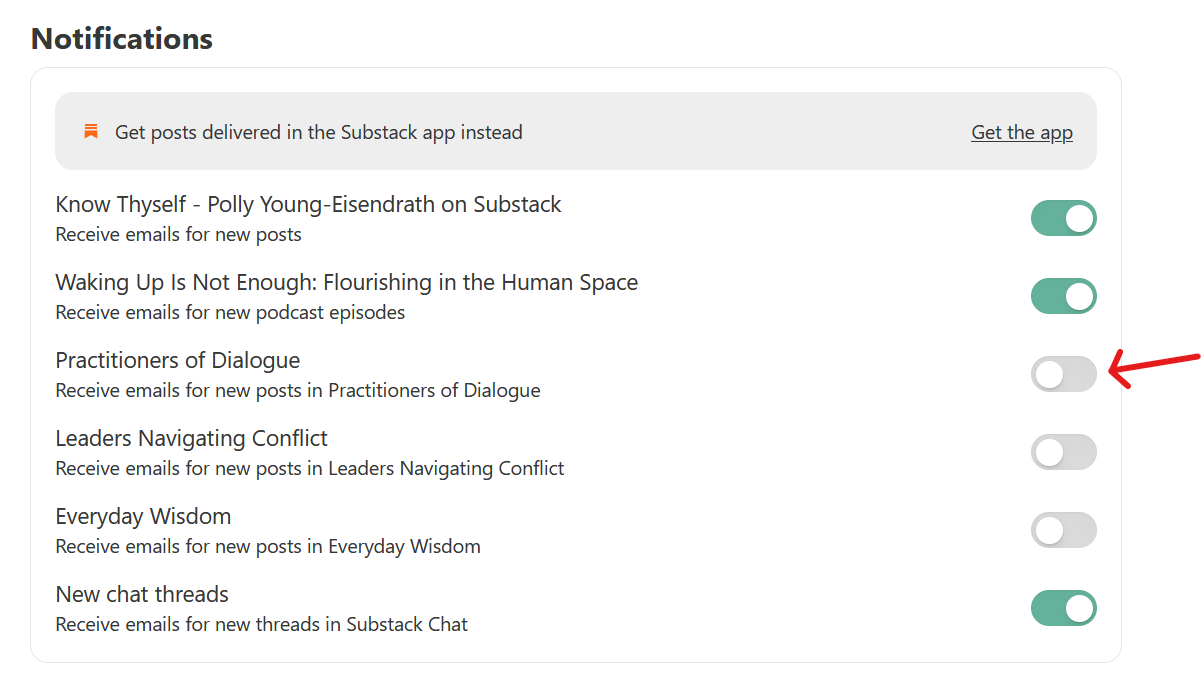
Practitioners of Dialogue
Therapists, coaches, mediators, and mental health professionals who want practical insights they can apply in their work with clients and couples.
Leaders Navigating Differences in Problem-Solving and Feelings
Directors, executives, and managers responsible for guiding people through disagreement, change, and competing perspectives.
People Seeking Wisdom in Everyday Life
Individuals trying to understand relationships, identity, and the forces shaping our world—from politics to technology, especially AI (artificial intelligences), to the challenges of contemporary life.
You can choose to receive posts from any (or all) of these areas using the button below. Under “Notifications”, toggle the switch on.
What you will find here
Essays and reflections on:
Human nature
Dialogue and conflict
Love and relationships
Identity and differences
Technology and artificial intelligence
Society and politics
Spiritual practice and wisdom
You’ll also find conversations from my podcasts:
Enemies: From War to Wisdom
Waking Up Is Not Enough
Join the community
Most essays remain free for everyone.
Paid memberships help sustain this work and support the broader mission of the Center for Real Dialogue.
Subscribers are also invited to participate in workshops, trainings, and discussions exploring how dialogue can transform conflict in our personal and public lives.
If you’re interested in how psychology, mindfulness, and dialogue can help us transform our conflicts on the path to greater trust, you’re in the right place.
Welcome. And Stay tuned for more.
Polly Young-Eisendrath, Ph.D.